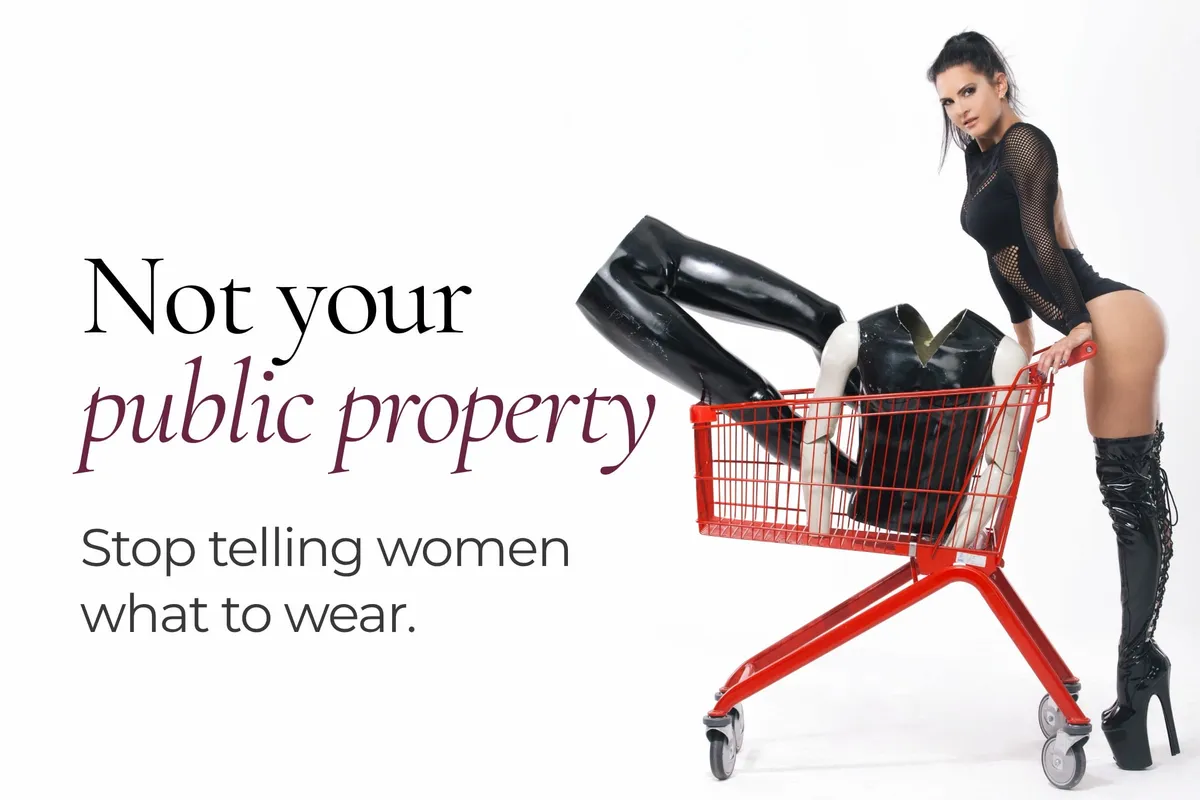
Women's Bodies Are Not an Invitation for Public Commentary
When did what a woman wears become an invitation for everyone else to decide who she is?
Comedian Shane Gillis sparked controversy during his opening monologue on Saturday Night Live (SNL), when he joked that women now dress like "whores" at the gym. He went on to mock the fit of women's workout shorts and the expectation that men shouldn't look, even when women are filming themselves exercising.
The comments drew swift criticism from viewers and public figures, including actor Dan Levy and comedian Phoebe Robinson, reigniting a familiar debate about misogyny, women's clothing and the way we talk about women's bodies. But beneath the controversy is a much bigger conversation, one that extends well beyond a television sketch or a comedian's punchline.
It's about the way we continue to judge women, police their bodies and hold them responsible for the reactions and behaviour of others.
What they wear. How much skin they show. Whether they're considered respectable, attention-seeking, empowering or inappropriate. Somehow, a woman's clothing can become an open invitation for everyone else to decide what kind of woman she is.
As someone who has spent years working in the pole industry, I've seen first-hand how quickly people make assumptions about women based on what they wear and what they choose to do with their bodies.

And the frustrating part? Those assumptions often say far more about the person making them than the woman being judged.
The problem with policing women's bodies
There's a familiar pattern that plays out again and again. A woman wears something considered revealing. Someone takes issue with it. And suddenly, the conversation is no longer about the person doing the judging, but about what the woman could have done differently to avoid it.
She should have covered up. She shouldn't have worn that. She knew what kind of attention she would attract. She was asking for it.
Sound familiar?
This way of thinking places the responsibility in the wrong place. It suggests that women should anticipate, prevent and manage other people's reactions by changing their behaviour, their clothing and even the way they exist in public.
But men are responsible for their own behaviour. Respect, self-control and the ability to treat others appropriately are not dependent on how much skin someone else chooses to show.
I've lived this too. My ex-husband hated me wearing heels and sexier outfits because, as he put it, he knew what men were thinking when they saw me, because he'd be thinking it too. But the problem was never my outfit. It was his belief that what he and other men were thinking was mine to manage.
A woman's clothing is not consent. It is not an indication of her sexual availability. And it certainly isn't permission to demean, harass or disrespect her.
We need to stop treating women's choices as the problem to be solved whenever someone else decides they don't like what they see.
When misogyny becomes entertainment
Comedy has always pushed boundaries, challenged conventions and made people uncomfortable. That's not the issue. The issue is what we're being asked to laugh at, and what those laughs make easier to dismiss.
When a comedian calls women "whores" because of what they wear to the gym, it's not simply a joke about clothing. It draws on a much older attitude that judges women by their appearance, attaches assumptions about their sexuality to their clothing, and treats those judgements as fair game for public ridicule.
And when those ideas are delivered as entertainment, it's easy to brush them off. It was just a joke. Don't be so sensitive. Learn to take a joke.
But humour doesn't exist in a vacuum. The messages we hear repeatedly, the stereotypes we accept and the behaviour we excuse all shape the culture we live in.
A single comedy sketch doesn't cause violence against women. Violence against women is a serious and pervasive issue, and it cannot be reduced to one offensive comment. But the broader attitudes that excuse disrespect and make women responsible for men's behaviour deserve to be challenged, not brushed aside.
Entertainment has a choice. It can reinforce those attitudes by presenting them as normal, or it can challenge the assumptions behind them.
We don't have to agree on every joke. We don't have to share the same sense of humour. But we should be able to question why women so often become the target, and why their bodies are treated as public property.
The question isn't whether we're allowed to laugh. It's whether we're willing to examine what we're laughing at, and what we're teaching ourselves to accept.
Women shouldn't have to earn respect
A woman shouldn't have to explain why she wears what she wears. She shouldn't have to prove that she's strong, talented, intelligent or respectable before she's given basic respect.
And she certainly shouldn't have to fit someone else's definition of what a woman should look like to deserve it.
This is something I've thought about throughout my years in the pole industry. Women's bodies are often viewed through a particular lens, and assumptions are made about their character, their intentions or their sexuality before anyone knows a thing about them.
I'm 52, and I love the sexier outfits and heels I wear for pole. They make me feel good about myself and have done wonders for my confidence. But I grew up hearing women of a certain age called "mutton dressed as lamb" for wearing anything shorter, tighter or younger than someone else thought they should. So I feel the ageism in this debate deeply.
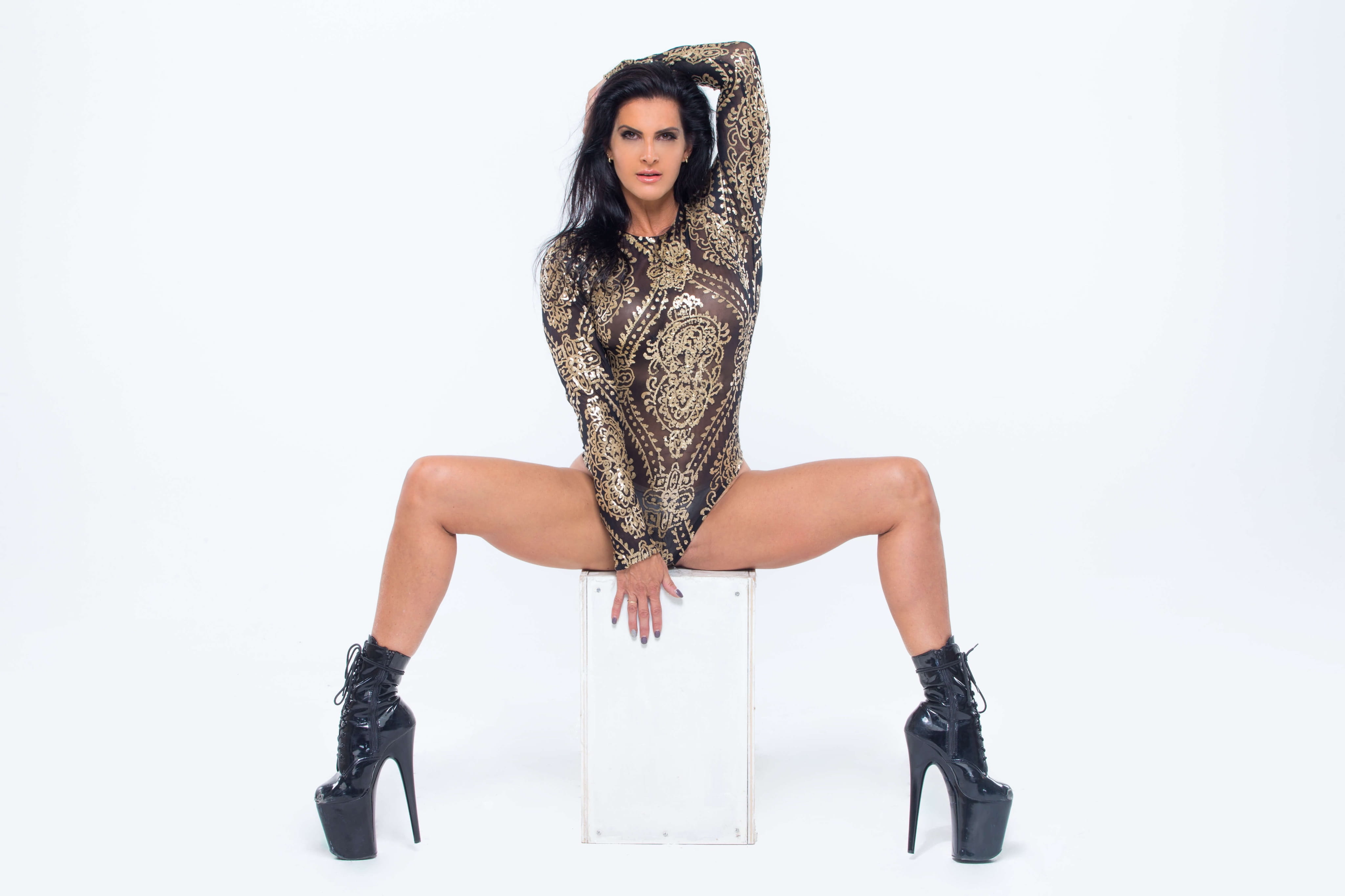
The rules about what women should wear don't disappear as we get older. They just get stricter.
But women are not one-dimensional. We don't all dress the same way, make the same choices or want the same things. We have different bodies, different relationships with our sexuality and different reasons for expressing ourselves as we do.
None of that should determine whether we are treated with respect.
We talk a lot about confidence, empowerment and women supporting women. But perhaps one of the simplest ways to put those ideas into practice is to stop treating women's bodies as public property. That means questioning comments that demean women, even when they're presented as harmless fun, and recognising that respect is not something a woman has to earn through the way she dresses.
You don't have to like what someone wears. You don't have to understand their choices. But there's a difference between having a personal opinion and believing that opinion entitles you to judge someone else's worth.
We can disagree about clothing. We can debate comedy. We can have different opinions about what is appropriate in different settings.
What we shouldn't have to debate is whether a woman deserves basic respect.
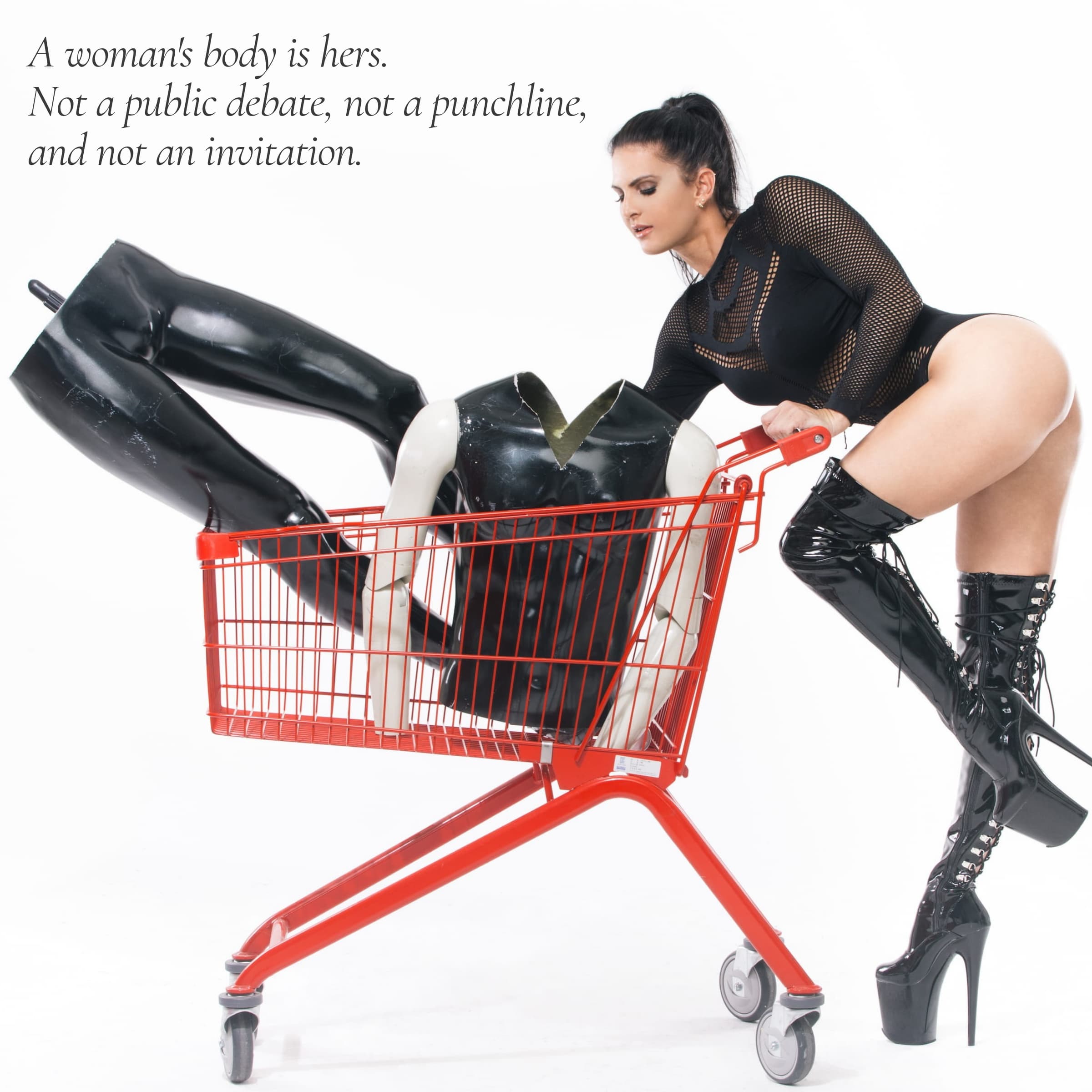
A woman's body is hers. Not a public debate, not a punchline, and not an invitation.
